The Style Guide · Dark Academia
Literary Dark Academia: How to Get Idris's Poet's Garret Look
Idris is where melancholy learned to be cozy—a room that whispers in footnotes and glows by lamplight.
What is Literary Dark Academia?
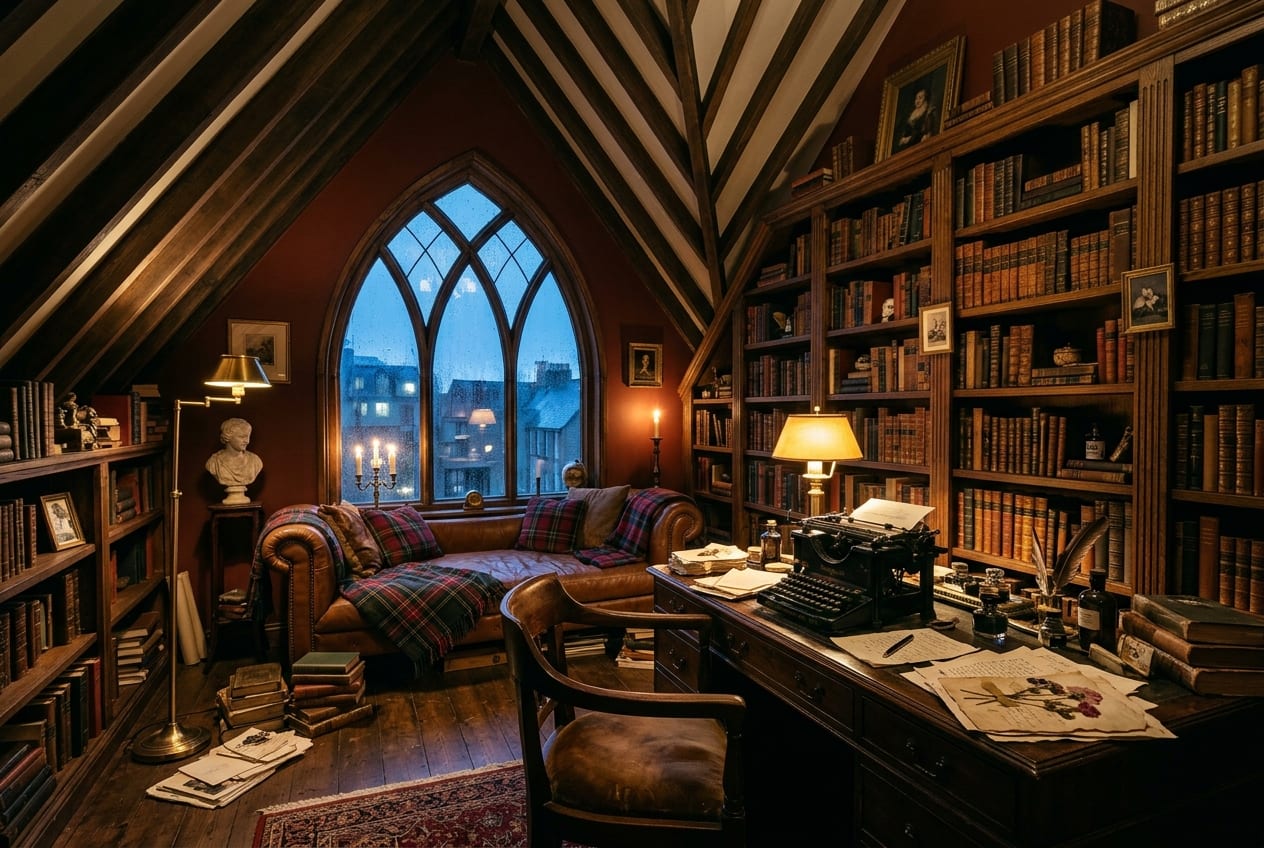
Literary Dark Academia is maximalism for the introspective soul—a style that treats your room like a rare book collection, where every surface tells a story and every corner invites you to sit down with a fountain pen. Unlike the broader Dark Academia aesthetic that might include scientific specimens or classical busts, this particular flavor is devoted entirely to the written word: stacks of novels creating architectural forms, typewriters as sculpture, and enough atmospheric lighting to make every evening feel like the opening scene of a period drama. It's maximalism that whispers rather than shouts, where abundance comes from ideas rather than objects alone.
This look descends from actual writers' garrets and poets' studies of the 19th and early 20th centuries—those cramped, book-stuffed attic rooms where Romantic and Victorian writers worked by candlelight, their walls lined with everything they'd ever read. It pulls equally from the cozy chaos of Bloomsbury Group sitting rooms, the leather-and-mahogany richness of gentlemen's libraries, and the bohemian clutter of Left Bank Paris apartments where expatriate writers gathered between the wars. There's also a thread of medieval scriptoriums in its reverence for the written word as physical object, and a dash of Gothic novel atmosphere—think Jane Eyre's window seat, but make it a whole room.
People are drawn to Literary Dark Academia now because it offers intellectual coziness in an age of digital overwhelm. When everything we read is backlit and ephemeral, a room full of physical books and analog writing tools feels like a radical act of slowness. It's maximalism that gives you permission to be serious, contemplative, even a little melancholy—emotions that don't get much decorating real estate in the usual cheerful design world. Plus, it makes you look extremely well-read without requiring you to actually finish Ulysses, and there's something deeply comforting about being surrounded by the physical evidence of human thought.
The signatures
- Walls in deep, saturated colors that make the room feel like the inside of a jewelry box
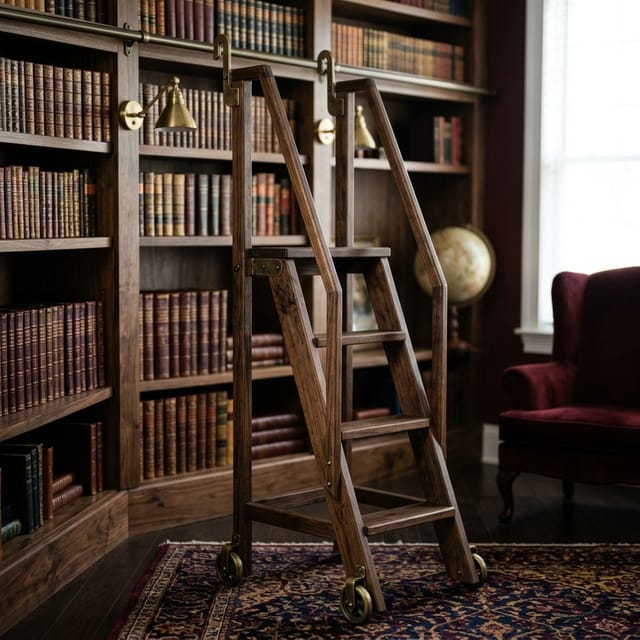
- Books as architecture—stacked, shelved, piled, creating topography throughout the space
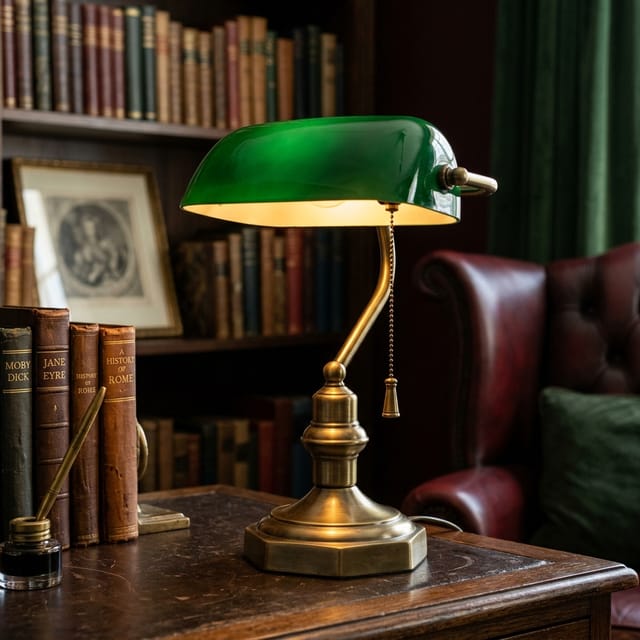
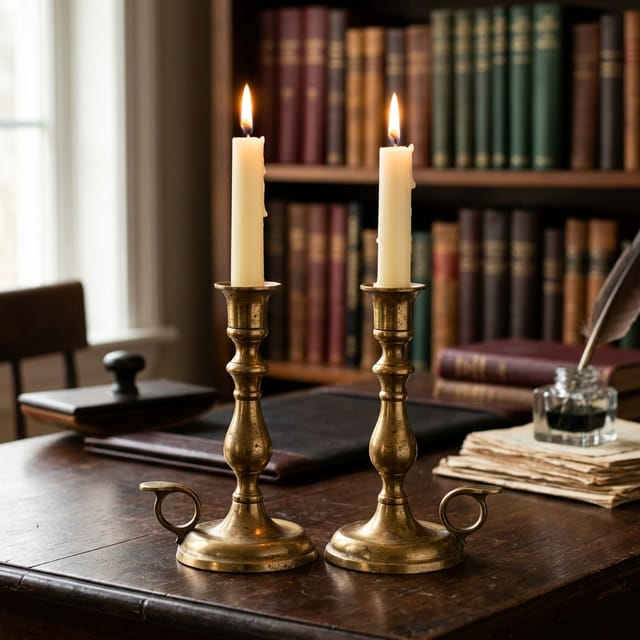
- Warm brass and aged metal accents that pool light like spilled honey
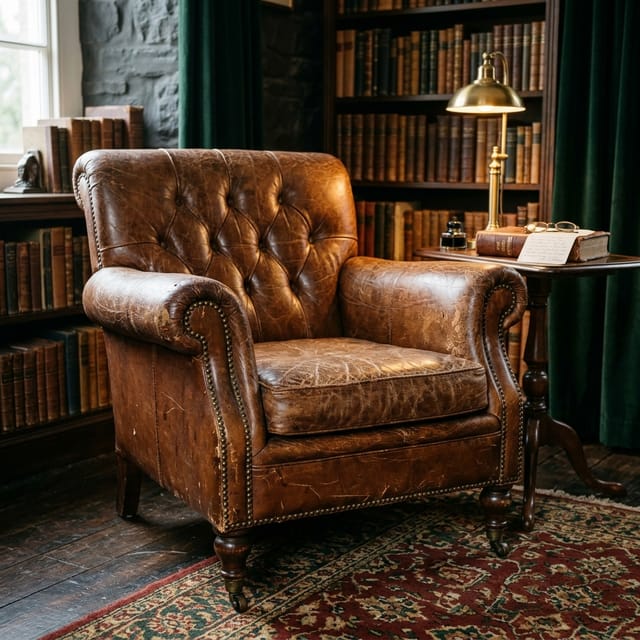
- Leather furniture worn soft and creased from years of reading marathons
- Vintage writing implements displayed as reverently as religious artifacts
- Layered, low lighting that creates islands of illumination in a sea of shadow
Anatomy of the look
Color & Paint
Idris lives in the oxblood-to-forest range, those colors that feel like they've been steeping in tea and time. The walls aren't just dark—they're saturated and complex, shifting between burgundy and brown depending on the light. This isn't minimalist monochrome; it's richness that wraps around you. The darkness makes everything else—the brass, the book spines, the cream pages—glow by contrast.
Walls & Pattern
The walls themselves are often painted in those deep jewel tones, but pattern appears in unexpected places—a section of botanical wallpaper behind shelving, damask fabric panels, or even pages from vintage books decoupaged as wainscoting. Idris loves a gallery wall of antique maps, botanical prints, or framed literary quotes in mismatched frames. The goal is to make the walls feel like they're part of the collection, not just a backdrop for it.
Furniture & Shapes
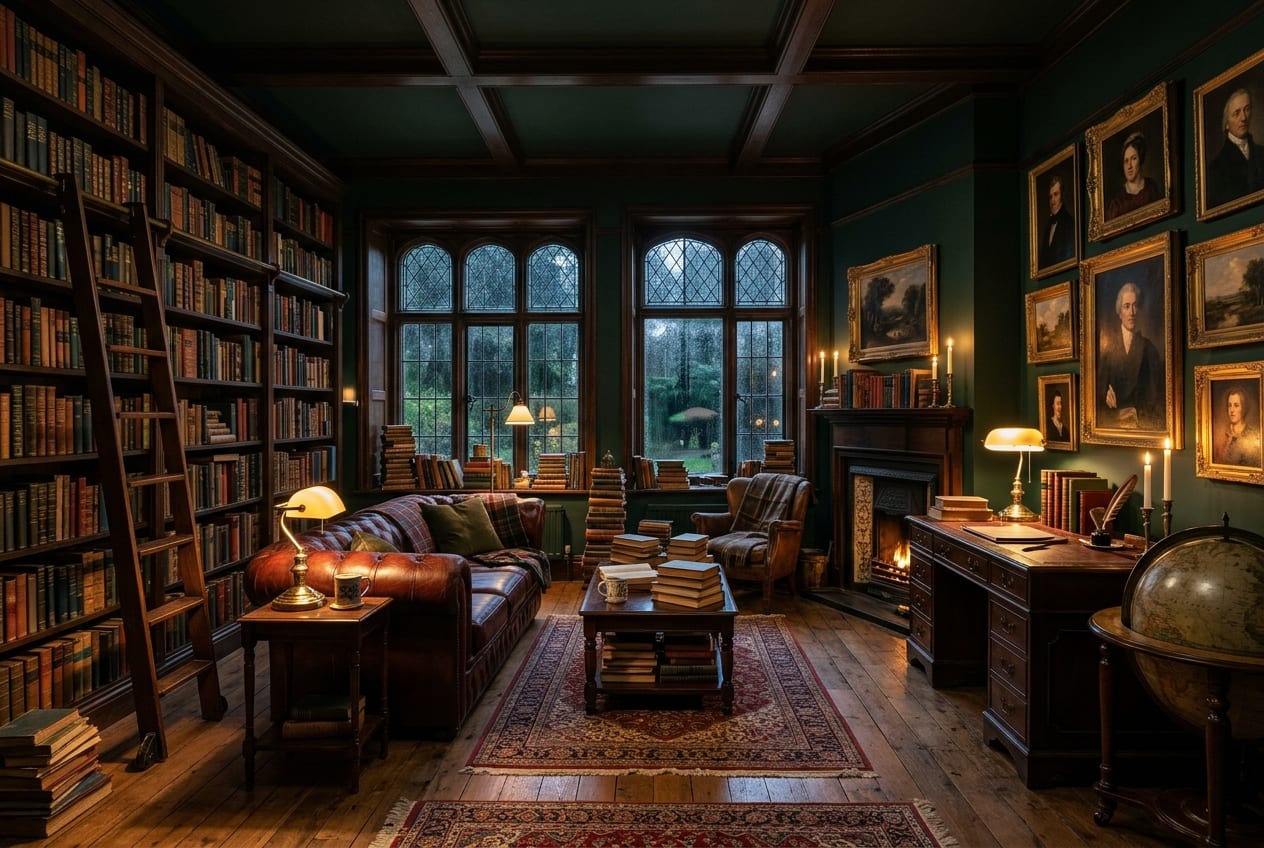
The furniture in Idris is all about well-worn comfort and scholarly gravitas—leather club chairs with creased arms, wooden writing desks scarred by decades of fountain pens, floor-to-ceiling bookcases that look like they grew there. Shapes tend toward the substantial and traditional: rolled arms, turned legs, carved details. Nothing here is sleek or modern; every piece should look like it has a history, preferably involving someone writing their magnum opus while sitting in it.
Textiles
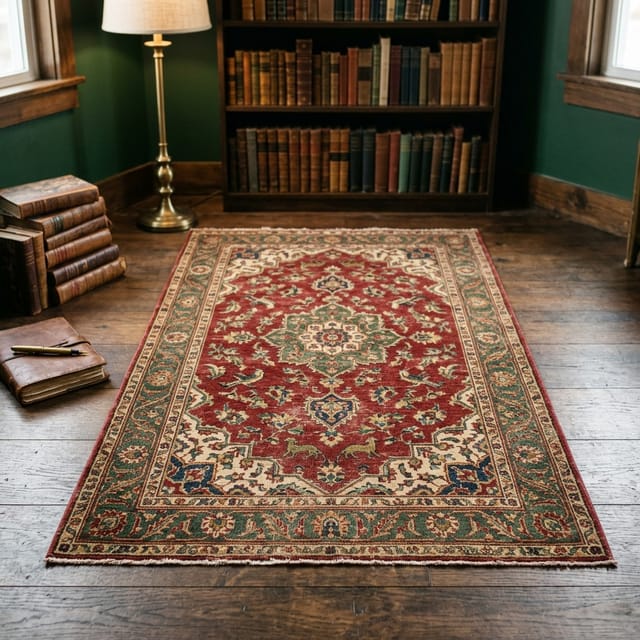
Textiles here are all about touchable luxury in muted, sophisticated tones—velvet in oxblood and forest, wool throws that could be from a Scottish castle, linen in cream and ecru. Idris layers them generously: a Persian rug over a sisal base, velvet pillows on leather chairs, a wool throw over the arm of the sofa. Everything should feel soft, slightly worn, and deeply comforting, like the room is giving you a hug made of fabric.
Lighting
Lighting in Idris is never overhead and never bright—it's all about creating pools of warm, golden light that make you want to curl up with a book. Brass desk lamps, wall sconces with fabric shades, candles in tarnished holders, maybe a standing lamp with a fringed shade. The goal is to light the room like a Rembrandt painting, with dramatic shadows and warm highlights. Every light source should feel like it's from another century.
Collections & Accessories
This is where Idris really shows his maximalist heart. Books are the foundation—stacked on every surface, filling every shelf, used as risers for other objects. Add vintage typewriters, antique globes, brass magnifying glasses, inkwells, letter openers, bookends shaped like owls or lions. Display vintage fountain pens in a tray, collect old bookplates, frame pages from antique books. Every object should feel like it belongs in a scholar's study or a poet's desk drawer.
Plants & Flowers
Plants in Idris are moody and literary—think trailing ivy cascading from a high shelf, ferns in tarnished brass planters, or a single dramatic branch in a vintage vase. Dried flowers work beautifully here: roses gone dusty, hydrangeas in burgundy and brown, eucalyptus hanging upside down. Nothing too cheerful or bright; everything should look like it could be pressed between the pages of a very old book.
The recipe
The Idris Formula
- 160% deep, saturated base color (oxblood or forest) on walls and major upholstery
- 225% warm metallics and aged leather in brass, bronze, and tobacco tones
- 310% cream and ecru in book pages, lamp shades, and textile accents
- 45% deep jewel tone pops in velvet pillows, rug details, or dried flowers
Paint picks
Oxblood #5C1A1B
Main walls or a dramatic accent wall behind shelving—the room's beating heart
Forest Ink #26352B
Secondary walls, ceiling, or inside bookcases for extra depth and shadow
Antique Brass #B08D57
Trim, door frames, or a surprise on the inside of a closet door for warmth
Tobacco Leather #6F4E37
Built-in shelving, window frames, or as a grounding color for smaller rooms
Room by room
Living Room
Make your living room into a literary salon by arranging seating around a central coffee table piled with art books and vintage volumes. Add a writing desk in the corner with a brass lamp, and hang a gallery wall of maps and botanical prints above the sofa—this is where you'd host your imaginary book club with the Bloomsbury Group.
Bedroom
Transform your bedroom into a sleeping library with floor-to-ceiling bookshelves flanking the bed and a reading nook in the corner with a leather chair and standing lamp. Keep bedding in cream linen and layer with burgundy velvet throws—you want to feel like you're sleeping inside a very sophisticated poem.
Kitchen & Dining
Bring Idris to the dining room with oxblood walls, brass candlesticks marching down a wooden table, and open shelving displaying vintage glassware and leather-bound cookbooks. Add botanical prints and a collection of antique serving pieces—every dinner party should feel like a scene from a novel.
Bathroom
Create a moody bathroom sanctuary with forest green walls, brass fixtures, and a small bookshelf of poetry collections (in a dry spot, obviously). Add brass candleholders, a vintage mirror, and cream towels—because even your bath should feel literary.
Small Spaces & Rentals
In a small space or rental, focus on one oxblood accent wall and build your library vertically with tall, narrow bookcases. Use removable wallpaper in a subtle damask pattern, add a brass desk lamp and a leather pouf, and layer in textiles—you can create the whole mood in a 10x10 room without touching the landlord's beige walls.
Get it on any budget
Under $200
Under $500
Renter-friendly
- Use removable wallpaper in damask or botanical patterns on one accent wall instead of painting—it gives you the richness without the commitment
- Build your dark, cozy atmosphere with textiles: hang burgundy velvet curtains, layer rugs, add throws and pillows in jewel tones to warm up beige walls
- Create a faux built-in library look with matching freestanding bookcases placed side by side—paint them all the same color for cohesion
- Focus your color story in furniture and accessories rather than walls: a leather chair, oxblood rug, and brass lamps can create the whole Idris mood without touching a paintbrush
Easy to avoid
- Making it too dark without enough warm lighting—you want moody, not dungeon. Add multiple light sources at different heights to keep it cozy rather than cave-like.
- Buying all new books with matching spines—the charm is in the collected-over-time look. Hit used bookstores, estate sales, and thrift shops for books with character and varied bindings.
- Forgetting the warmth—if you go too heavy on dark colors without brass, leather, and cream accents, the room feels cold instead of cozy. Balance is everything.
- Overdoing the Gothic drama with too many skulls, ravens, or heavy-handed literary quotes—Idris is sophisticated and subtle, not a Halloween store. Let the books and colors do the talking.
FAQ
How do I do Dark Academia without it feeling too dark or depressing?
The secret is in the lighting and warm accents. Layer multiple light sources—desk lamps, floor lamps, candles—to create pools of golden light throughout the room. Add plenty of brass, aged leather in warm brown tones, and cream or ecru textiles. The darkness should feel cozy and womb-like, not oppressive. Think 'rainy afternoon with tea and a good book,' not 'abandoned mansion.'
What if I don't have enough books to fill all those shelves?
Start with what you have and fill in gradually from used bookstores, library sales, and thrift shops where you can buy books by the pound. Mix in other objects—vintage boxes, brass accessories, small plants, framed photos—to break up the shelves. You can also face some books spine-in to show the aged pages, which creates visual interest and makes fewer books look like more. Remember, Idris is about the love of books, not proving you've read everything.
Can I do Literary Dark Academia in a bright, sunny room?
Absolutely—you just need to embrace the contrast. Use heavy curtains in burgundy or forest green that you can close for instant mood, but leave them open during the day to let the jewel tones glow. The dark walls will actually make the room feel more dramatic and interesting with natural light playing across them. Think of it as the difference between a library at noon versus midnight—both are beautiful, just different atmospheres.
How do I make this style work without looking like a costume or movie set?
The key is authenticity and restraint—choose pieces you genuinely love and will use, not just props. Actually read the books you display, use the typewriter as a decorative object but keep your desk functional, and mix in a few personal items that don't fit the aesthetic perfectly. Let the room evolve naturally rather than trying to create it all at once. Idris should feel like a real space where real thinking happens, not a museum exhibit.
What's the difference between Literary Dark Academia and regular Dark Academia?
Literary Dark Academia is specifically focused on the written word—books, writing implements, poetry, literature—while broader Dark Academia might include scientific specimens, classical art, or academic regalia from any discipline. Literary leans harder into the cozy, introspective side with more textiles and warm lighting, while general Dark Academia can be more austere and formal. Think poet's garret versus professor's office—both scholarly, but different energies.
Some links may earn MAX by Design a small commission at no cost to you.